Cozumel, Mexico
When It
Goes Down
Stay powered. Stay connected. Stay prepared.
Practical preparedness from a Caribbean island — built around equipment I actually use, systems I'm building, and lessons I'm learning along the way.
Origin story
It started with a flicker.
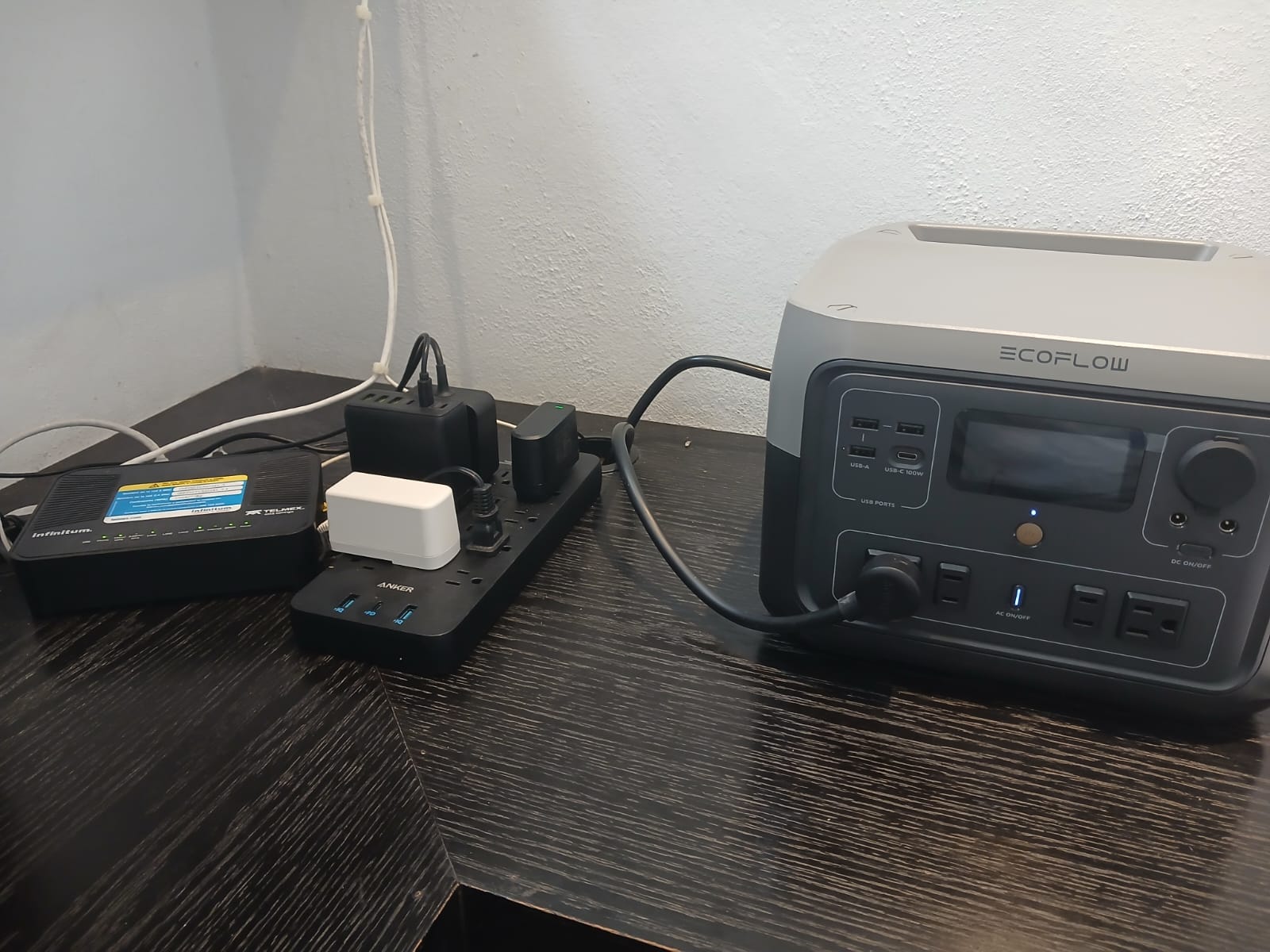
A power interruption doesn't have to last long to cause a problem. A second or two is enough to restart a modem and router, and that's enough to end a business call.
It happened often enough that I stopped treating it as unavoidable. I started with backup power for the networking equipment I depend on. That led to longer-duration power. Then thinking about internet redundancy. Then solar. Then water.
Preparedness stopped being a single purchase and became a system I build one layer at a time.
Four core layers
Power
Battery backup, generators, portable solar and keeping essential equipment running.
Internet & Communications
Primary internet, battery-backed networking, satellite backup, cellular connectivity and communications redundancy.
Water
Emergency water storage, purification and practical reserves.
Essentials
Food, lighting, charging, communications and other basics that matter when normal services are interrupted.
My current setup
What's real today
- EcoFlow power station
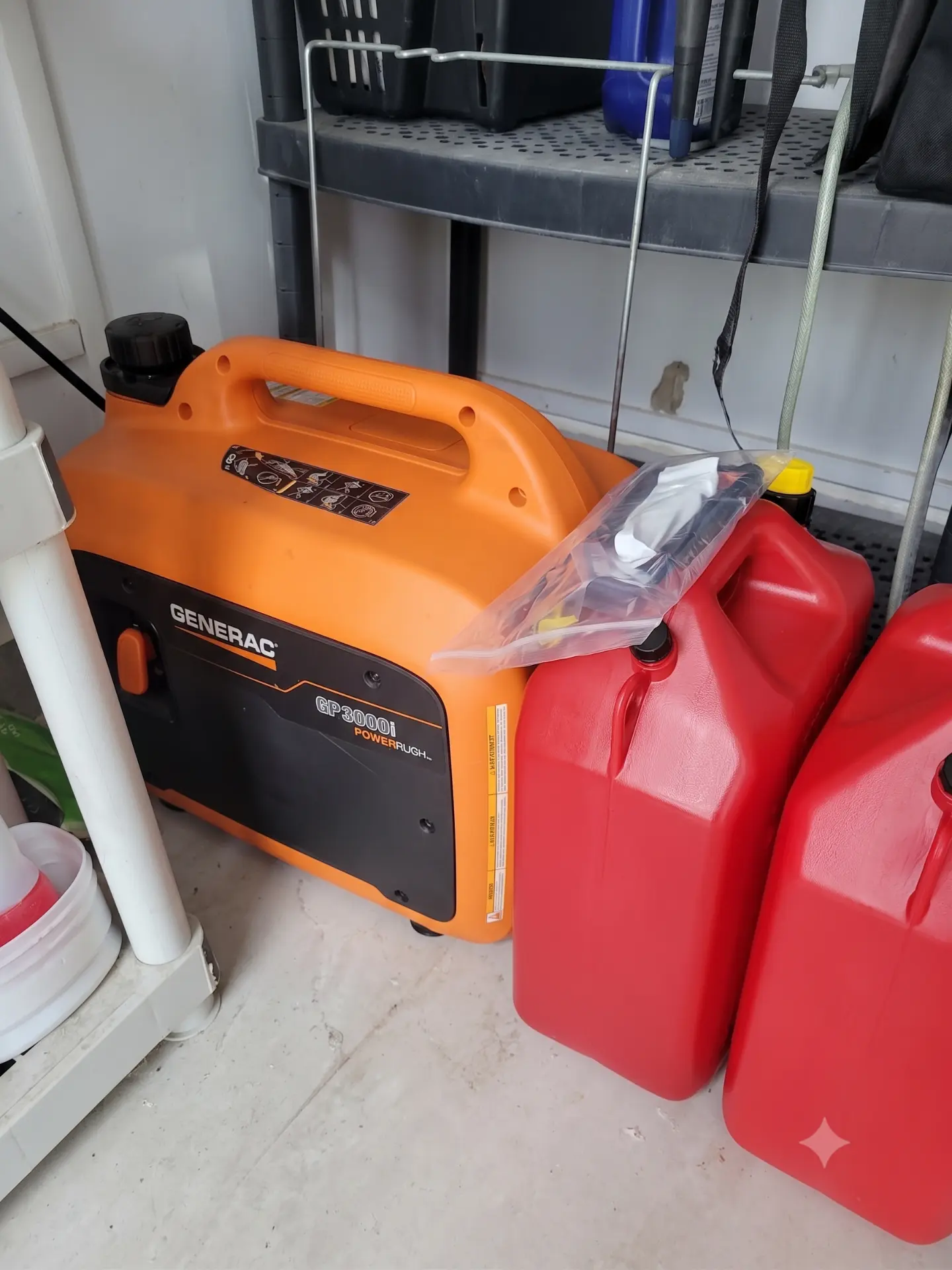
- Generac GP3000i generator
- Telmex fiber internet
- Anker power / surge equipment
- Emergency drinking-water reserve — nine 5-gallon jugs, 45 gallons stored
- Starlink Mini
- Portable / foldable solar panels
- Water purification
- Emergency food
- Emergency lighting
- Additional communications options
- Other practical preparedness essentials
Connectivity
Fast internet is great.
Keeping it running matters too.
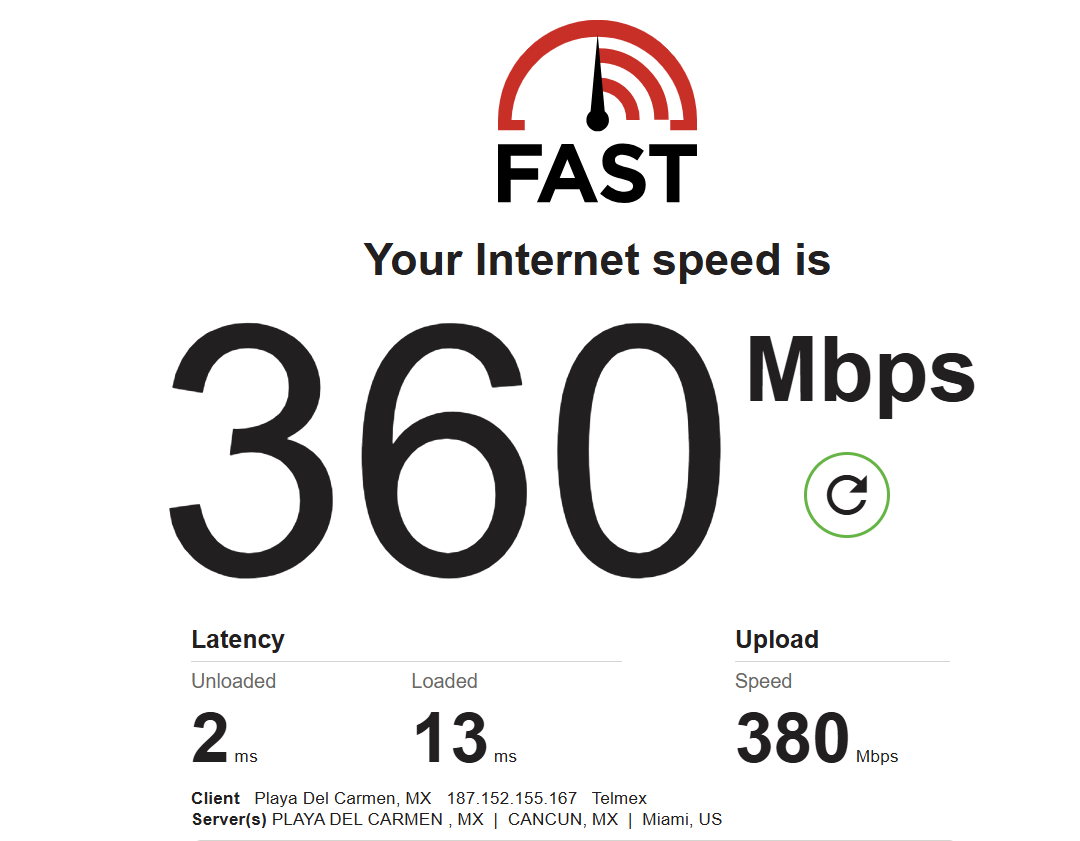
I currently run a Telmex fiber connection. One captured real-world speed test showed 360 Mbps down and 380 Mbps up, with 2 ms unloaded and 13 ms loaded latency.
That's a single snapshot, not a guaranteed or constant speed. And none of it matters when the networking equipment loses power — which is exactly what started the backup-power project.
Note: a power station keeps equipment running. It does not increase internet speed.
What's next
The next layer
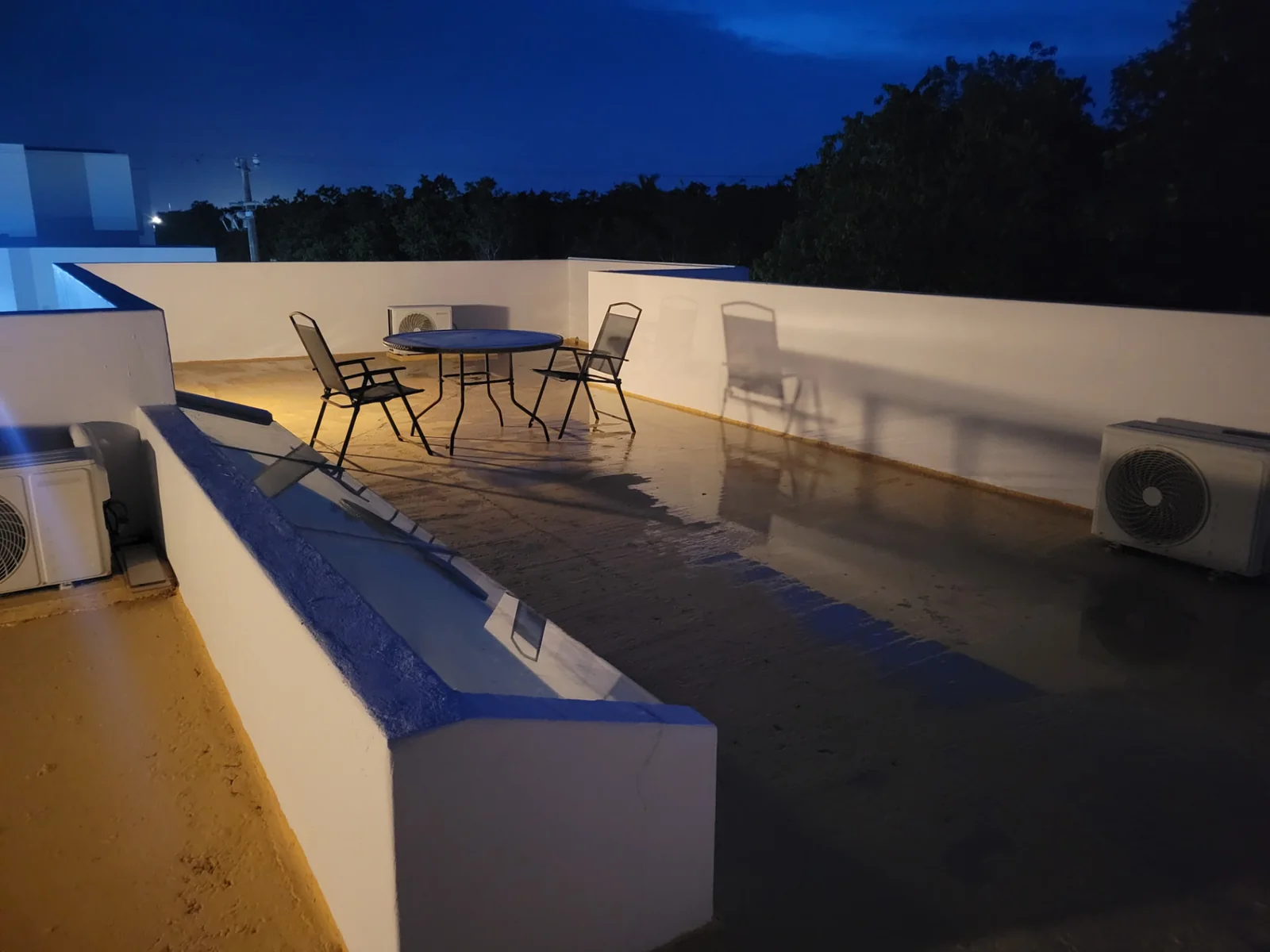
The next two planned additions are portable solar panels and Starlink Mini.
Solar is intended to give me another way to replenish stored electrical energy. Starlink Mini is intended to add an internet path that doesn't depend on the same local terrestrial infrastructure as my primary connection.
You don't have to build everything at once.
Preparedness gets built one vulnerability at a time. Pick the failure that would cause you the biggest problem, solve that, then move to the next one.
Start hereLatest guides
All guidesHow I Keep My Internet Equipment Running Through a Power Outage
Why a momentary power flicker can end a business call, and how I put my modem, router and desk equipment on battery backup first.
PowerBattery + Generator + Solar: Why I'm Building More Than One Backup
How I think about layering short-duration battery power, longer-duration generator power and a planned way to replenish stored energy.
Storm PreparednessEmergency Preparedness on an Island: Where I Started
Living on Cozumel changes the math on supply chains, outages and water. Here is the order I chose to build in, and why.